Understanding Seasonal Affective Disorder Tips for Awareness and Counseling Support
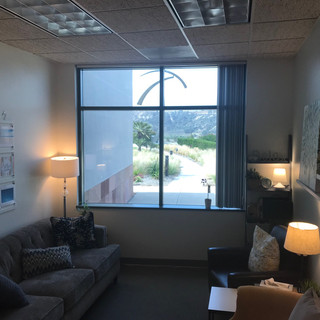
Seasonal Affective Disorder (SAD) affects millions of people every year, yet many remain unaware of its symptoms and the support available. This mood disorder, linked to changes in seasons, can significantly impact daily life, especially during the darker months. Recognizing the signs and knowing how to seek help can make a meaningful difference. This post explores what SAD is, how to increase awareness, and practical counseling support options.

What Is Seasonal Affective Disorder?
Seasonal Affective Disorder is a type of depression that follows a seasonal pattern, typically starting in late fall and continuing through winter. The reduced sunlight during these months affects the brain’s chemistry, leading to symptoms such as:
Persistent low mood or sadness
Loss of interest in activities once enjoyed
Fatigue and low energy
Changes in appetite, often craving carbohydrates
Difficulty concentrating
Sleep disturbances, usually oversleeping
SAD is more than just feeling "winter blues." It can disrupt work, relationships, and overall well-being. People living in northern latitudes or areas with long winters are more prone to SAD, but it can affect anyone.
Why Awareness Matters
Many people confuse SAD with regular seasonal mood changes or overlook symptoms altogether. Raising awareness helps individuals recognize when their feelings go beyond typical seasonal shifts and encourages them to seek support. Awareness also reduces stigma around mental health, making it easier to talk openly about struggles.
Here are ways to increase awareness:
Share educational materials in community centers, schools, and workplaces
Use social media to spread facts about SAD symptoms and treatment options
Encourage conversations about mental health during seasonal transitions
Promote screening tools that help identify SAD early
Understanding that SAD is a medical condition, not a personal weakness, is crucial. This knowledge empowers people to take action rather than suffer in silence.
Counseling Support for Seasonal Affective Disorder
Counseling plays a vital role in managing SAD. Professional support can help individuals develop coping strategies, address negative thought patterns, and improve emotional resilience. Here are common counseling approaches:
Cognitive Behavioral Therapy (CBT)
CBT is effective for SAD because it targets the negative thoughts and behaviors that worsen depression. Therapists work with clients to:
Identify and challenge unhelpful beliefs
Develop healthier thinking habits
Create structured daily routines to combat lethargy
Set realistic goals for social interaction and activity
Research shows that CBT tailored for SAD can reduce symptoms and improve quality of life, sometimes as effectively as medication.
Light Therapy Guidance
Light therapy involves exposure to bright artificial light that mimics natural sunlight. Counselors can guide clients on how to use light boxes safely and effectively, including:
Recommended duration and timing of sessions
Positioning of the light source
Combining light therapy with other treatments
Light therapy often complements counseling, providing both physical and psychological benefits.
Practical Tips for Managing SAD
Alongside professional counseling, individuals can adopt daily habits to ease symptoms:
Spend time outdoors during daylight hours, even on cloudy days
Maintain a regular sleep schedule to regulate the body clock
Engage in physical activity, which boosts mood and energy
Eat a balanced diet rich in fruits, vegetables, and whole grains
Avoid excessive alcohol and caffeine, which can worsen mood swings
Practice relaxation techniques like meditation or deep breathing
These steps, combined with counseling support, create a strong foundation for managing SAD effectively.

When to Seek Professional Help
If seasonal mood changes interfere with daily life, it is important to reach out to a healthcare provider or mental health professional. Early intervention can prevent symptoms from worsening. Signs that professional help is needed include:
Persistent sadness lasting more than two weeks
Difficulty performing daily tasks
Thoughts of self-harm or suicide
Withdrawal from friends and family
Significant changes in appetite or sleep patterns
Counselors and therapists can provide personalized treatment plans and support recovery. At Grow Through Life Counseling we are ready to support you! Please call us at 619-549-0329 to get started today.




Comments