Integrating Therapy into Your Workday: A Practical Approach
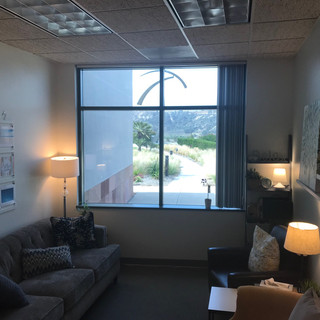
Finding time for therapy can feel impossible when your workday is packed with meetings, deadlines, and endless to-do lists. Yet, prioritizing mental health is essential for maintaining balance and productivity. The question is, can therapy realistically fit into your busy work schedule? This post explores practical ways to make therapy a part of your workday without overwhelming your routine.

Why Therapy During the Workday Makes Sense
Many people hesitate to schedule therapy outside work hours due to fatigue or family commitments. Therapy during the workday can:
Reduce stress that builds up during work hours
Provide a mental reset to improve focus for the afternoon
Help manage work-related anxiety or burnout in real time
Employers are increasingly recognizing the value of mental health support, with some offering flexible schedules or on-site counseling. Even if your workplace does not provide these options, you can still find ways to fit therapy into your day.
Finding the Right Time Slot
The key to integrating therapy into your workday is identifying a time that minimizes disruption. Common options include:
Early morning sessions before work starts, which can set a positive tone for the day
Lunch breaks, which offer a natural pause without cutting into core work hours
Late afternoon, to decompress after a busy day and prepare for the evening
For example, scheduling a 53-minute session at 11:30 a.m. can work well if you can take a sr lunch break.
Choosing the Right Therapy Format
Therapy no longer requires in-person visits. Various formats can accommodate your workday needs:
Teletherapy via video calls allows you to attend sessions from your office or a private space at home. No driving needed!
Phone therapy offers flexibility if video is not an option.
In-person sessions can still work if your therapist is nearby and you can schedule during breaks.
Teletherapy is especially convenient for workday appointments because it eliminates commute time. You can find a quiet room or even use a parked car for privacy. Just no driving during session for your safety. Your Grow Through Life Counseling therapist will also ask your location and remind you of safety protocols.
Preparing Your Workplace for Therapy Sessions
To make therapy during work hours feasible, consider these practical steps:
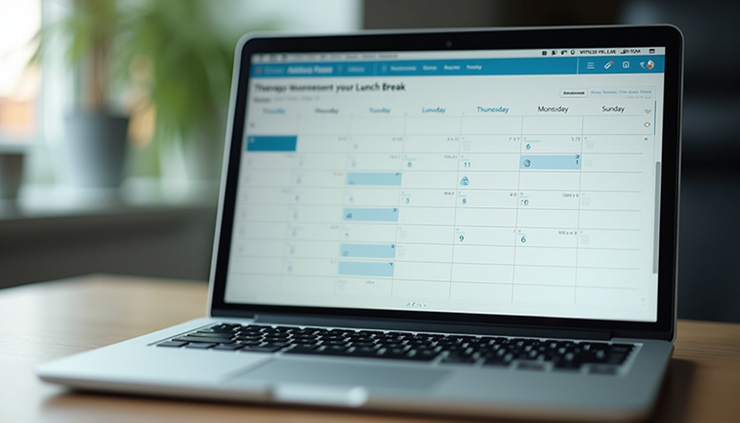
Block your calendar clearly to avoid interruptions.
Find a private, quiet space where you won’t be disturbed.
Use headphones to maintain confidentiality and focus.
If your workplace lacks private rooms, some companies provide wellness rooms or quiet zones that can be reserved for therapy or mental health calls. Check with your HR team member on what options you may have.
Managing Expectations and Boundaries
Balancing therapy with work requires clear boundaries. Here are some tips:
Let your therapist know about your work schedule so they can schedule in the correct timing.
Avoid scheduling sessions during high-stress or critical work periods.
Use therapy time strictly for your session—avoid multitasking or checking emails.
Plan for a brief transition period after therapy to process emotions before returning to work tasks.
For example, after a session, take five minutes to stretch or walk before jumping back into meetings. This helps you stay grounded and focused.
Overcoming Common Challenges
Some obstacles may arise when fitting therapy into your workday:
Privacy concerns: Use headphones and find secluded spots to maintain confidentiality.
Time constraints: Opt for shorter sessions or teletherapy to save time.
Workload pressure: Communicate with your manager about the importance of mental health breaks.
Fatigue: Choose times when you feel most alert, such as morning sessions.
Remember, therapy is an investment in your well-being that can improve your work performance and overall quality of life.
Real-Life Examples
Sarah, a marketing specialist, schedules Telehealth Therapy sessions at 7 a.m. before starting work. This routine helps her manage anxiety and stay calm during busy days.
James, a software developer, uses his lunch hour twice a week for in-person therapy at a nearby Grow Through Life Counseling location. He blocks his calendar and informs his team to avoid interruptions.
Maria, a teacher, attends therapy on her lunch break at school and uses mindfulness apps during breaks to support her mental health throughout the day.
These examples show that therapy can adapt to different schedules and preferences. At Grow Through Life Counseling we also offer a patient portal for convenient scheduling in advance and rescheduling when needed.
Tips for Getting Started
Grow Through Life Counseling therapists offer flexible scheduling and teletherapy.
Discuss your work commitments openly with your Grow Through Life Counseling therapist.
Use reminders and calendar alerts to keep appointments consistent.
Explore workplace mental health resources including time during lunch breaks
Taking the first step may feel challenging, but small adjustments can make therapy a manageable and rewarding part of your workday. We are accepting new patients at Grow Through Life Counseling and look forward to helping in California!




Great insights, I like this! Integrating Stress Management Therapy Utah into your workday can truly help manage stress, improve focus, and maintain mental well-being amid busy schedules.