Signs Your College Student Is Struggling and How Parents Can Help

A sudden drop in communication can feel small at first. A missed call. A one-word text. A vague “I’m fine.” For many families, that is the moment they start wondering whether their college student is dealing with normal stress or something more serious.
College can stretch young adults in healthy ways. They manage harder classes, new friendships, roommates, money, sleep, identity, and distance from home. Some stress is expected. The concern starts when stress changes how a student functions, connects, or cares for themselves.
This article is informational only and does not replace medical or mental health advice. Still, knowing what to look for can help families respond earlier, calmly, and with respect for a young adult’s independence.

Normal college stress has limits
Stress during college is common. Students may be anxious before exams, homesick after a hard weekend, or overwhelmed during midterms. They may change majors, lose sleep during finals, or struggle with a roommate. Those experiences do not always mean something is wrong.
What matters is duration, intensity, and function.
A hard week becomes more concerning when it lasts for several weeks. A stressful class becomes more concerning when a student stops attending. Sadness becomes more concerning when it comes with isolation, hopelessness, or major changes in eating, sleeping, or hygiene.
Mental health organizations such as the National Institute of Mental Health and the Centers for Disease Control and Prevention describe warning signs in terms of real-life changes. These include withdrawal, dramatic mood shifts, changes in sleep or appetite, substance misuse, and talk of self-harm. The same idea applies to college life. The question is not “Are they stressed?” The better question is “Can they still function and recover?”
Some examples of typical stress may include:
Complaining about a difficult professor but still going to class
Feeling homesick but keeping up with friends or activities
Sleeping poorly for a few nights during exams, then returning to normal
Calling home more often during a rough transition
More serious concern may show up as:
Skipping classes repeatedly
Ignoring messages from friends and family for long stretches
Sleeping most of the day or barely sleeping at all
Losing interest in things they used to care about
Sounding hopeless, numb, or unusually agitated
Parents of College Students often walk a narrow line. Too little involvement can leave a young adult alone with a serious problem. Too much involvement can make them shut down. The goal is to pay attention without taking over.
The warning signs often show up in patterns
One sign by itself may not mean much. A student who misses a call may be busy. A student who sounds short on the phone may be tired. Patterns matter more than isolated moments.
Academic changes can reveal deeper stress
Grades are often the first visible clue, but they are not the only one. A student may avoid checking grades, stop submitting assignments, miss labs, or feel too anxious to email a professor. They might say, “It’s too late now,” or “There’s no point.”
A drop in performance can come from many causes, including depression, anxiety, ADHD, substance use, grief, sleep problems, or an undiagnosed learning difference. It can also come from a mismatch between the student and the school or major.
Look for changes such as:
Avoiding class or academic portals
Missing deadlines in several courses
Losing confidence after one setback
Saying they feel “behind in everything”
Talking about dropping out in a panicked or hopeless way
Academic struggle does not mean failure. It means the student may need support before the problem grows.
Social withdrawal may signal more than independence
College students need room to build lives separate from home. Less frequent contact can be healthy. But a sharp withdrawal from everyone, not just parents, can be a warning sign.
Concern rises when a student stops seeing friends, quits clubs, stays in their room, avoids meals, or no longer mentions anyone by name. Social isolation can both reflect and worsen mental health struggles.
A student may not say, “I’m depressed.” They may say:
“I don’t really talk to anyone.”
“Everyone already has their group.”
“I just stay in my room.”
“I’m too tired to deal with people.”
“Nobody would notice if I left.”
Those comments deserve a gentle follow-up.

Physical changes can point to emotional distress
Mental health struggles often show up in the body. A student may report headaches, stomach pain, exhaustion, frequent illness, or appetite changes. Sleep changes are especially important. Sleeping all day, staying up all night, or feeling tired no matter how much they sleep can affect mood, concentration, and safety.
Substance use may also increase during times of distress. Not every student who drinks at a party has a problem. Concern rises when substance use becomes a way to cope, avoid feelings, or get through the day.
Listen for phrases such as:
“I can’t sleep unless I drink or take something.”
“I’m always exhausted.”
“Food sounds disgusting.”
“I keep getting sick.”
“I don’t remember parts of the weekend.”
These signs call for curiosity, not accusation.
Mood changes can be quieter than expected
Many people picture distress as crying or panic. Sometimes it looks like irritability, numbness, perfectionism, anger, or risky behavior.
A struggling student may become unusually reactive. They may snap over small questions, then apologize later. They may seem flat and detached. They may stop caring about plans, appearance, or responsibilities. They may act impulsively in ways that seem out of character.
Pay close attention to hopeless language. Comments like “I can’t do this anymore,” “Everyone would be better off without me,” or “I don’t see a way out” should be taken seriously, even if they are said casually.
How to start a conversation without pushing them away
The first conversation sets the tone. A worried parent may want to ask a lot of questions quickly. That can make a young adult feel interrogated. A calmer approach usually works better.
Start with what you have noticed, not what you assume.
Instead of saying, “You’re depressed and you need help,” try:
“I’ve noticed you haven’t sounded like yourself the last few times we talked. You also mentioned missing class. I’m not here to judge you. I want to understand what things have been like.”
This kind of statement does three useful things. It names specific observations. It avoids a diagnosis. It keeps the door open.
A helpful conversation often follows this rhythm:
Observe
Name the change clearly and kindly.
Ask
Use open questions such as “What has the hardest part been?” or “When did it start feeling this way?”
Listen
Let silence do some work. Students may need time to answer.
Reflect
Repeat the main idea back. “It sounds like you’ve been exhausted and embarrassed to ask for help.”
Offer one next step
Too many suggestions can overwhelm a student who already feels stuck.
Try to avoid leading with consequences. “We’re paying tuition, so you need to get it together” may be understandable, but it often increases shame. Shame can make students hide problems until they become larger.
That does not mean parents should avoid boundaries. Money, safety, and school expectations matter. The timing matters. Support usually comes before problem-solving.

Respecting independence does not mean staying silent
Young adults need privacy. They also need connection. Supporting both can feel difficult, especially when a student is away at school in San Diego, Temecula, or another college community.
One helpful frame is to ask permission whenever possible.
For example:
“Would it help if I just listened, or are you looking for ideas?”
“Do you want help finding campus resources, or would you rather start on your own?”
“Can we agree on a check-in time this week?”
“If things get worse, who else should know?”
This approach respects autonomy and still keeps support active.
Encourage campus resources early
Most colleges have student support systems, though services vary by campus. These may include counseling centers, academic advising, disability services, tutoring, residence life staff, health centers, case managers, and dean of students offices.
A student does not need to be in crisis to use them. In fact, early support is often easier to access and more effective. A student who is behind in two classes may benefit from academic advising before withdrawal deadlines. A student with panic symptoms may benefit from counseling before anxiety affects every part of campus life.
Some students resist because they feel embarrassed. Others do not know where to start. A parent can help by making the first step smaller.
Try saying:
“Would you be willing to send one email today?”
“Can you look up the counseling center page while we’re on the phone?”
“Would it help if we wrote the message together, and you choose whether to send it?”
“Could you talk to one professor before Friday?”
The student still owns the action. The parent helps lower the barrier.
Make support practical
Emotional support matters, but practical help can make recovery possible. A distressed student may not need a long lecture. They may need help creating a short list.
A useful plan might include:
Eating one real meal today
Going to one class tomorrow
Emailing one professor
Booking one counseling or advising appointment
Taking a walk outside for 10 minutes
Calling home again at a set time
Small steps are not a cure. They do build momentum when everything feels too big.
Know what parents can and cannot access
In the United States, college students are usually legal adults. Privacy laws, including FERPA for education records and HIPAA in many health care contexts, limit what schools and clinicians can share without consent.
That can be frustrating. Still, parents can usually share concerns with a school even if the school cannot share details back. For example, a parent can contact a dean of students office or campus safety team to report serious concerns about a student’s well-being. Policies differ, so it helps to check the college’s parent or family resource page.
When the situation may be urgent
Some signs call for immediate action. Do not wait for the “perfect” wording or for the student to agree that the problem is serious.
Seek urgent help if a student:
Talks about wanting to die or not wanting to exist
Mentions a plan, method, or timeline for self-harm
Sends goodbye messages or gives away belongings
Is intoxicated and unsafe
Seems disconnected from reality, paranoid, or unable to care for basic needs
Has been missing and cannot be reached
Reports assault, severe threat, or immediate danger
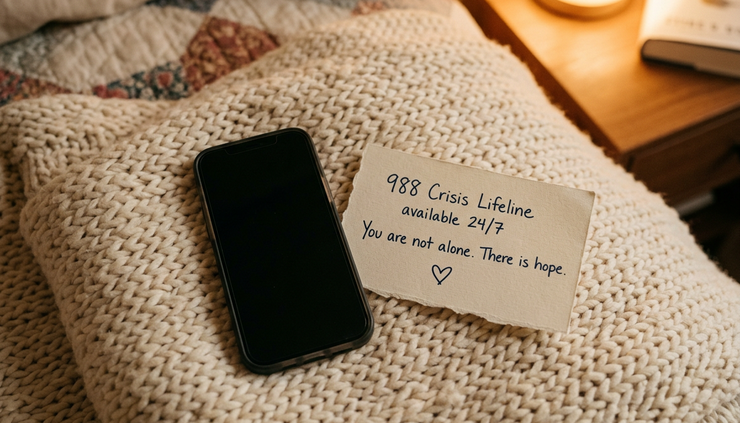
If there is immediate danger, call 911 or local emergency services. In the United States, calling or texting 988 connects people with the Suicide and Crisis Lifeline. Campus police, residence life staff, and local crisis teams may also be able to conduct a welfare check, depending on the situation.
It is better to have an uncomfortable safety response than to minimize a real risk.
Some parents worry that asking about suicide will “put the idea” in a student’s head. Major mental health organizations, including the National Alliance on Mental Illness and the American Foundation for Suicide Prevention, state that asking directly about suicidal thoughts does not cause suicide. It can reduce isolation and help a person get support.
A direct question can sound like:
“When you say you can’t do this anymore, are you thinking about hurting yourself or ending your life?”
If the answer is yes, stay calm, keep the student engaged, and connect them to immediate help.
The best support keeps the relationship intact
A struggling student may not respond with gratitude right away. They may deny the problem, get defensive, or insist everything is fine. That does not mean the conversation failed. It may mean they need time to feel safe.
Keep messages steady and simple:
“I love you, and I’m here.”
“You do not have to solve this alone.”
“I can listen without judging.”
“We can take this one step at a time.”
“Your safety matters more than any grade.”
Stay connected in ordinary ways too. Send a photo of the family pet. Ask about a show they like. Share a simple meal when they visit. Not every interaction should become a checkup.
At the same time, trust visible changes more than reassurances. If a student says they are fine but continues to miss class, isolate, lose weight, sound hopeless, or avoid all support, more involvement may be needed.
The balance is not easy. Respect does not mean silence. Support does not mean control. The healthiest path is often steady attention, specific concern, and a willingness to act when safety is at stake.
A college student who is struggling needs adults who can stay calm enough to notice, brave enough to ask, and patient enough to keep showing up. That steady presence can make it easier for them to accept help before a hard season becomes a crisis.
At Grow Through Life Counseling, we are accepting new college students who are in CA for school. We'd be happy to support your young adult. Please contact us today.




Comments