The Importance of a Self Care Day and the Benefits of Counseling for Mental Health Support
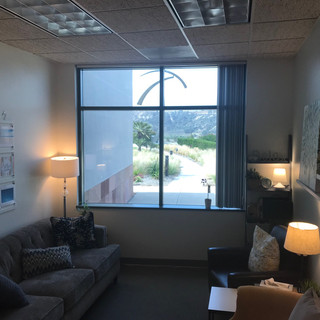
Taking time for yourself is not a luxury but a necessity. Many people overlook the value of dedicating a day to self care, especially when life feels overwhelming. Mental health struggles can affect anyone, and knowing how to support yourself through these challenges is crucial. A self care day combined with professional counseling can provide powerful tools to improve your well-being.

Why a Self Care Day Matters
A self care day is a deliberate pause from daily responsibilities to focus on your physical, emotional, and mental health. It allows you to recharge and reset, which can prevent burnout and reduce stress. When you dedicate time to yourself, you acknowledge your needs and give yourself permission to heal.
Here are some practical ways to spend a self care day:
Rest and sleep: Catch up on sleep to help your body and mind recover.
Mindful activities: Try meditation, journaling, or gentle yoga to calm your thoughts.
Healthy meals: Prepare nourishing food that fuels your body.
Nature time: Spend time outdoors to boost your mood and energy.
Digital detox: Limit screen time to reduce distractions and anxiety.
By setting aside a day for these activities, you create space to listen to your feelings and reduce the noise of everyday stress.
How Counseling Supports Mental Health
Counseling offers a safe space to explore your emotions, thoughts, and behaviors with a trained professional. It can help you understand the root causes of your struggles and develop coping strategies tailored to your needs.
Some benefits of counseling include:
Emotional support: Having someone listen without judgment can be healing.
Skill building: Learn techniques to manage anxiety, depression, or stress.
Perspective: Gain new insights about yourself and your relationships.
Accountability: Stay motivated to make positive changes in your life.
Crisis management: Receive guidance during difficult moments.
For example, someone feeling overwhelmed by work stress might learn relaxation techniques and time management skills through counseling. This support can make daily challenges more manageable and improve overall quality of life.

Combining Self Care Days with Counseling
Using self care days alongside counseling sessions can create a strong foundation for mental health. Self care days help you practice what you learn in counseling, making the benefits more lasting. For instance, if your counselor suggests mindfulness exercises, dedicating time on your self care day to practice them can deepen your progress.
Here are tips to make the most of both:
Schedule regular self care days to maintain balance.
Share your self care experiences with your counselor.
Set small, achievable goals between sessions.
Use self care days to reflect on your growth and challenges.
Adjust your self care routine based on counseling feedback.
This combined approach encourages ongoing self-awareness and resilience.
We'd love to continue to support your self care. We are accepting new patients. Call to schedule today!




Comments